

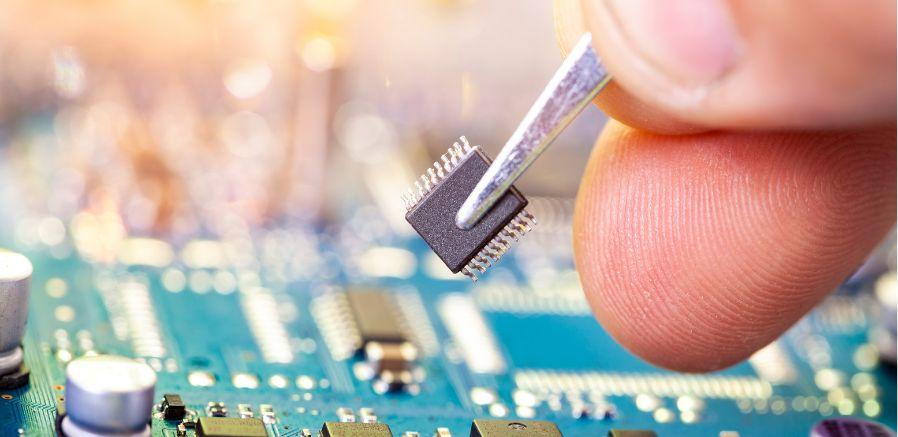
Is India Becoming a Global Electronics Manufacturing Hub?
India is rapidly emerging as a major player in the global electronics manufacturing industry. With strong government support, rising foreign investment, and a fast-growing domestic market, the country is positioning itself as an alternative to traditional manufacturing hubs like China and Vietnam. But is India truly becoming a global electronics manufacturing hub? The answer increasingly points to yes.
Growth of Electronics Manufacturing in India
Over the last decade, electronics manufacturing in India has witnessed remarkable growth. The sector includes:
- Smartphone manufacturing
- Printed circuit board (PCB) manufacturing
- Consumer electronics production
- Semiconductor assembly and testing
- Electronic components manufacturing
India’s electronics production has expanded due to rising demand for mobile phones, laptops, and IoT devices. Global brands are now manufacturing products locally instead of relying solely on imports.
Government Initiatives Driving Manufacturing
The Indian government has launched several policies to strengthen domestic electronics production:
- Make in India program
- Production Linked Incentive (PLI) scheme
- Electronics Manufacturing Clusters (EMC)
- National Policy on Electronics
These initiatives aim to reduce import dependence, boost exports, and create a competitive manufacturing ecosystem. Tax incentives, subsidies, and infrastructure support have encouraged multinational companies to set up factories in India.
Role of Global Electronics Companies
Major global electronics manufacturers and EMS (Electronics Manufacturing Services) providers have expanded their operations in India. Smartphone production has grown significantly, making India one of the largest mobile phone manufacturing countries in the world.
Several companies now use India as a key production base for:
- Mobile phones
- Chargers and accessories
- Display modules
- Semiconductor packaging
- Consumer appliances
This shift is part of the global supply chain diversification strategy, reducing over-reliance on single manufacturing locations.
Skilled Workforce and Cost Advantage
India offers a large pool of engineers, technicians, and skilled labor. Compared to many developed countries, labor and operational costs remain competitive. This cost advantage helps electronics manufacturers reduce production expenses while maintaining quality standards.
Additionally, India’s strong IT and engineering education system supports innovation in electronics design and embedded systems.
Development of Semiconductor and PCB Manufacturing
The growth of semiconductor fabrication and PCB manufacturing is crucial for becoming a true electronics manufacturing hub. India is investing heavily in:
- Semiconductor fabrication plants
- Chip assembly and testing units
- Advanced PCB manufacturing facilities
- Component supply chains
These developments help strengthen backward integration and reduce dependency on imported electronic parts.
Export Potential and Global Trade
Electronics exports from India have increased steadily, with smartphones and components being shipped to markets in Europe, the Middle East, and Africa. Improved logistics, port infrastructure, and trade agreements are making India more competitive in international markets.
As exports rise, India’s reputation as a reliable electronics manufacturing destination continues to improve.
Challenges Facing the Industry
Despite strong progress, India still faces challenges such as:
- High dependency on imported semiconductors
- Supply chain bottlenecks
- Infrastructure gaps in some regions
- Need for advanced manufacturing technology
- Skilled labor shortages in niche electronics fields
Addressing these issues is essential for long-term global competitiveness.
Future Outlook
Industry experts predict strong growth for India’s electronics manufacturing sector over the next decade. With continued government support, rising private investment, and expanding domestic demand, India is well on track to become a global electronics manufacturing hub.
Future growth areas include:
- Electric vehicle electronics
- Renewable energy systems
- Artificial intelligence hardware
- 5G and telecom equipment
- Medical electronics
Conclusion
India is steadily transforming into a global electronics manufacturing hub through policy reforms, investment inflows, and industrial expansion. While challenges remain, the foundation for large-scale electronics production is firmly in place. With improvements in semiconductor manufacturing, PCB production, and export infrastructure, India is positioned to play a critical role in the global electronics supply chain.
In conclusion, India is not just aiming to become a global electronics manufacturing hub — it is actively becoming one
Recent Posts
Tue Apr 14 2026
Top Plastic Fabrication Companies in Michigan
Mon Apr 13 2026
Top Laser Cutting Services Companies in California
Thu Apr 09 2026
Top Cable Assembly Companies in Michigan
Wed Apr 08 2026
Top Sheet Metal Fabrication Companies in California
Tue Apr 07 2026
Top Plastic Fabrication Companies in California