

What is the Process of Electronics Manufacturing?
These days, electronics are everywhere in our phones, smart watches, cars, and even in machines at factories. But have you ever thought about how these devices are made? Electronics manufacturing is not just about putting parts together. It’s a step-by-step process that starts with designing the product, choosing the right parts, testing everything to make sure it works, and then building it in large numbers. Every electronic device goes through this process before it ends up in your hands.
Why Electronics Manufacturing Matters
The importance of electronics manufacturing is massive. It powers innovation, drives global connectivity, and supports countless industries like healthcare, telecommunications, and automotive. Without modern electronics manufacturing companies, our digital lifestyle would be impossible.
Importance in Today’s Digital Age
As demand grows for smarter, faster, and smaller devices, manufacturers are under pressure to innovate. High-performance printed circuit boards (PCBs), AI-powered testing, and modular designs are just a few trends reshaping the landscape.
Key Stages in the Electronics Manufacturing Process
1. Design and Prototyping
Everything begins with an idea. Engineers create a blueprint of the product, selecting components and defining the layout. Software like Altium Designer or Eagle CAD helps design PCBs, while rapid prototyping tools test functionality before mass production.
Prototyping is crucial because it allows manufacturers to identify flaws early and save on production costs.
2. Component Sourcing
Once the design is validated, the next step is sourcing components. This includes microchips, resistors, capacitors, connectors, and more.
Component selection impacts both the product’s performance and price, so it’s critical to source from reliable suppliers. Many electronics manufacturing service in India providers also help with global sourcing.
3. PCB Fabrication
The PCB (Printed Circuit Board) is the heart of any electronic device. It physically supports and connects all components. Fabrication includes layering copper, etching circuits, applying solder mask, and adding silkscreen labels.
What Does a PCB Manufacturer in India Do?
A PCB manufacturer in India focuses on creating high-quality, cost-effective boards at various complexity levels. From single-layer to multi-layer PCBs, Indian companies now compete globally in precision and performance.
4. PCB Assembly
This is where components are mounted on the PCB using one of two methods:
Surface Mount Technology (SMT)
Most modern electronics use SMT. Components are placed directly onto the surface of PCBs using automated pick-and-place machines, followed by reflow soldering.
Through-Hole Technology (THT)
In THT, leads of components pass through holes in the PCB and are soldered on the opposite side. It’s more durable and used in high-stress environments.
5. Testing and Inspection
Before mass production, every unit goes through strict quality checks. Automated Optical Inspection (AOI), In-Circuit Testing (ICT), and Functional Testing ensure that products meet design specifications.
Testing helps prevent recalls, warranty issues, and performance failures — which could otherwise cost millions.
6. Final Assembly and Packaging
Once tested, devices are fully assembled, including casing, connectors, displays, and batteries. Afterward, they are packaged, labeled, and prepared for distribution.
Packaging isn’t just cosmetic; it also ensures protection from moisture, static, and physical damage.
Understanding PCB Manufacturing in India
Growth of the PCB Sector in India
India is becoming a global hub for electronics manufacturing, especially in the PCB segment. Thanks to government initiatives like “Make in India,” local PCB manufacturers are scaling up production, investing in automation, and improving quality.
Role of Local Electronics Manufacturing Companies
From Bengaluru to Pune, local electronics manufacturing companies are providing everything from turnkey PCB solutions to complete device manufacturing. Their services are cost-effective and flexible, which is a major advantage for startups and established brands alike.
Choosing the Right Electronics Manufacturing Service in India
What to Look For
Not all manufacturers are equal. When evaluating electronics manufacturing service in India, look for:
-
Experience and customer reviews
-
In-house testing and quality control
-
Cleanroom and ESD-safe environments
-
Prototyping and scaling capabilities
Certifications and Capabilities
Certifications like ISO 9001, IPC standards, and RoHS compliance indicate professionalism and reliability. Ask manufacturers about these before finalizing any deal.
How to Find a Manufacturer for Your Electronics Product
Domestic vs. Overseas
Choosing between a local and overseas manufacturer depends on your needs. While overseas manufacturing may offer lower prices, local services often ensure better communication, faster turnaround, and simplified logistics.
Finding a Trusted Partner on Platforms like FindingMFG
Platforms like FindingMFG.com help you discover verified electronics manufacturers across India and globally. You can compare services, view certifications, and request quotes — all in one place.
Advantages of Outsourcing to Electronics Manufacturing Companies
Cost-Effectiveness
Outsourcing allows businesses to reduce capital expenses and avoid investing in expensive machinery.
Access to Expertise and Infrastructure
You benefit from specialized expertise and cutting-edge infrastructure that may otherwise be difficult or expensive to develop in-house.
Scalability
Whether you’re building 100 units or 10,000, outsourcing offers scalable solutions to match demand.
Common Challenges in the Manufacturing Process
Supply Chain Issues
Component shortages and logistics delays are major risks in electronics production. A diversified supply chain strategy is critical to avoid disruptions.
Quality Control and Delays
Without proper testing protocols, product quality can drop. That’s why working with experienced electronics manufacturing companies is essential.
The Future of Electronics Manufacturing
Automation and Industry 4.0
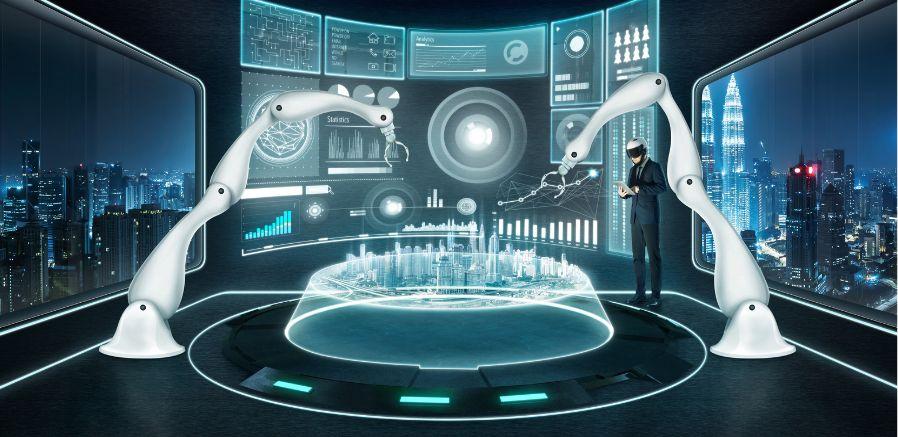
Smart factories powered by robotics, AI, and IoT are reshaping how electronics are built. Automated lines ensure faster production and fewer errors.
Sustainability and Eco-Friendly Processes
Manufacturers are now adopting lead-free soldering, energy-efficient equipment, and recyclable materials to reduce their carbon footprint.
Conclusion
The electronics manufacturing process is both complex and fascinating. From design to delivery, every step involves precision, technology, and expertise. Whether you're a startup building your first prototype or a business ready to scale, understanding this process gives you a competitive edge.
With India emerging as a global electronics manufacturing powerhouse, now is the perfect time to leverage the capabilities of local companies — especially if you're looking for reliable electronics manufacturing services in India or need a dependable PCB manufacturer in India. And if you're unsure where to begin, platforms like FindingMFG make it easier than ever to connect with the right partner.
FAQs
What is EMS in electronics manufacturing?
EMS stands for Electronics Manufacturing Services — third-party companies that handle the design, assembly, and production of electronic components and products.
How long does it take to manufacture electronics?
It depends on complexity and volume. Simple PCB assemblies can be done in days, while complex devices might take weeks to months.
What are the benefits of Indian PCB manufacturers?
They offer cost advantages, shorter lead times, and increasingly competitive quality, especially as India invests in infrastructure and automation.
What certifications should I check when choosing a manufacturer?
Look for ISO 9001, IPC-A-610, RoHS, and other relevant quality and environmental standards.
Is outsourcing electronics manufacturing a good idea?
Yes, especially for businesses that want to save costs, reduce risk, and focus on product development rather than production.
Recent Posts
Sat Oct 24 2026
Top Electronics Manufacturing Companies in Indiana
Mon Oct 19 2026
Top Sheet Metal Fabrication Companies in Illinois
Fri Oct 16 2026
Top 10 3D Printing Companies in Illinois
Thu Oct 15 2026
Top Injection Molding Companies in Illinois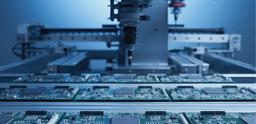
Wed Oct 14 2026
Top PCB Assembly Companies in Illinois