


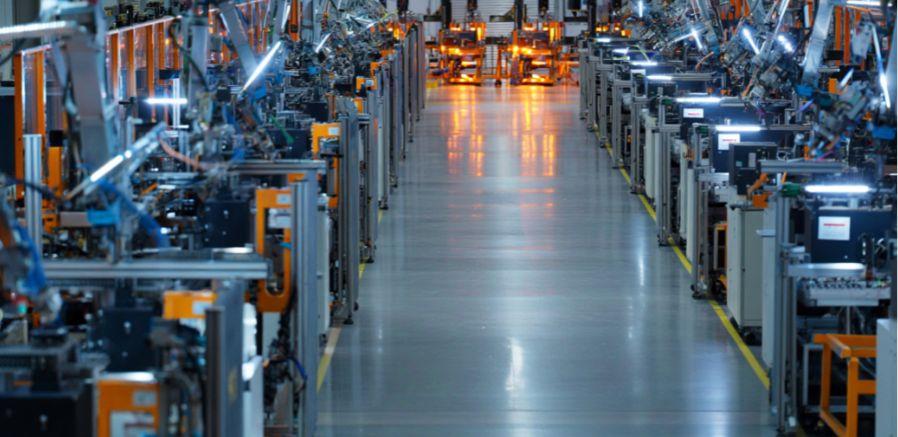
Why Businesses Are Choosing Contract Electronics Manufacturing?
In today’s competitive and innovation-driven marketplace, Contract Electronics Manufacturing (CEM) has become a strategic solution for companies that want to scale production, reduce operational costs, and accelerate product development. Instead of investing heavily in manufacturing infrastructure, many businesses now partner with specialized electronics manufacturers who handle production, assembly, testing, and supply chain management.
As global demand for electronic devices continues to grow across industries such as consumer electronics, automotive, healthcare, and IoT, companies are increasingly relying on contract electronics manufacturing services to stay agile and competitive. This model enables organizations to focus on their core strengths—product innovation, marketing, and customer experience—while experienced manufacturers manage complex production processes.
This article explores why businesses are choosing contract electronics manufacturing, its benefits, and how it is transforming the modern electronics industry.
What Is Contract Electronics Manufacturing?
Contract Electronics Manufacturing (CEM) refers to outsourcing the production of electronic components, assemblies, and complete products to a third-party manufacturer. These manufacturers provide services such as:
- PCB assembly (PCBA)
- Product design and prototyping
- Component sourcing and procurement
- Electronics testing and quality assurance
- Full-scale manufacturing
- Supply chain management
Companies ranging from startups to global enterprises use electronics manufacturing services (EMS) to produce high-quality electronic products efficiently.
By partnering with a specialized manufacturing provider, businesses can bring products to market faster without the burden of managing complex manufacturing operations.
Growing Demand for Electronics Manufacturing Services
The global electronics market is expanding rapidly due to advancements in technologies such as:
- Internet of Things (IoT)
- Artificial Intelligence (AI)
- Smart consumer devices
- Automotive electronics
- Industrial automation
As product complexity increases, managing production internally becomes costly and challenging. Contract manufacturing allows businesses to leverage the expertise, infrastructure, and supply networks of established electronics manufacturers.
This shift is particularly common among startups and technology companies that prioritize innovation and speed-to-market.
Key Reasons Businesses Are Choosing Contract Electronics Manufacturing
1. Cost Efficiency and Reduced Capital Investment
One of the primary reasons businesses choose contract electronics manufacturing services is cost optimization.
Setting up an in-house electronics manufacturing facility requires significant investments in:
- Manufacturing equipment
- Skilled workforce
- Quality control systems
- Supply chain infrastructure
By outsourcing production, companies eliminate these upfront costs and instead pay for manufacturing services as needed.
Additionally, contract manufacturers often have established relationships with component suppliers, allowing them to source materials at lower prices. This leads to significant savings in procurement and production costs.
2. Access to Advanced Manufacturing Technology
Electronics manufacturing requires specialized equipment such as:
- Surface Mount Technology (SMT) machines
- Automated testing systems
- Precision assembly tools
- PCB fabrication technology
Maintaining and upgrading these technologies internally can be expensive and time-consuming.
Contract electronics manufacturers invest heavily in modern manufacturing equipment to maintain industry standards. Businesses that outsource production gain access to these advanced technologies without making direct investments.
This ensures higher production efficiency and consistent product quality.
3. Faster Time-to-Market
Speed is a critical factor in the electronics industry. Companies that launch products quickly often gain a competitive advantage.
Contract electronics manufacturing partners already have established production lines, skilled teams, and streamlined processes. This allows them to start production faster than companies building internal manufacturing capabilities from scratch.
Key benefits include:
- Faster prototyping and product validation
- Quick scaling of production volumes
- Reduced development cycles
As a result, businesses can bring innovative electronic products to market more rapidly.
4. Expertise and Industry Experience
Experienced electronics manufacturing service providers possess deep technical knowledge in areas such as:
- PCB assembly and design optimization
- Component selection and sourcing
- Electronics testing and compliance
- Manufacturing process optimization
This expertise ensures that products meet industry standards, regulatory requirements, and quality benchmarks.
Many contract manufacturers also provide Design for Manufacturing (DFM) support, helping businesses refine product designs to improve manufacturability and reduce production costs.
5. Scalability and Production Flexibility
Demand for electronic products can fluctuate significantly. Companies may experience rapid growth or seasonal spikes in orders.
Contract electronics manufacturing offers flexible production capabilities, allowing businesses to scale manufacturing up or down based on demand.
This flexibility provides several advantages:
- Ability to handle large production volumes
- Reduced inventory risks
- Faster response to market changes
For startups and growing businesses, this scalability is particularly valuable.
6. Strong Supply Chain Management
Managing the electronics supply chain is complex due to:
- Component shortages
- Global supplier networks
- Logistics challenges
- Price fluctuations
Contract electronics manufacturers typically have well-established supplier relationships and global sourcing capabilities.
Their supply chain expertise helps ensure:
- Reliable component availability
- Efficient procurement processes
- Reduced production delays
By leveraging these supply networks, businesses can maintain consistent production and minimize supply disruptions.
7. Improved Product Quality and Testing
Quality control is essential in electronics manufacturing. Even minor defects can lead to product failures and reputational damage.
Professional contract manufacturers implement strict quality assurance processes, including:
- Automated optical inspection (AOI)
- Functional testing
- Environmental testing
- Reliability verification
These processes ensure that electronic products meet safety, performance, and reliability standards.
Companies benefit from consistent product quality without managing complex testing infrastructure themselves.
8. Focus on Core Business Activities
When businesses manage manufacturing internally, significant time and resources are spent on operational tasks such as:
- Equipment maintenance
- Production management
- Procurement
- Workforce training
By outsourcing manufacturing, companies can focus on high-value activities such as:
- Product design and innovation
- Research and development
- Marketing and branding
- Customer experience
This strategic focus often leads to faster business growth and improved market positioning.
Industries Benefiting from Contract Electronics Manufacturing
Contract electronics manufacturing is widely used across multiple industries, including:
Consumer Electronics
Manufacturers produce devices such as smartphones, wearables, smart home devices, and entertainment systems.
Automotive Electronics
Modern vehicles rely heavily on electronic systems for safety, navigation, and automation. Contract manufacturers help produce these critical components.
Healthcare and Medical Devices
Electronics manufacturing services support the production of diagnostic equipment, wearable health monitors, and medical devices that require high reliability and regulatory compliance.
Industrial Automation
Factories and industrial environments rely on sensors, control systems, and electronic monitoring devices produced by specialized manufacturers.
IoT and Smart Technology
With the rise of connected devices, IoT startups frequently partner with contract electronics manufacturers to build scalable products.
How to Choose the Right Contract Electronics Manufacturing Partner
Selecting the right manufacturing partner is crucial for product success. Businesses should evaluate manufacturers based on several factors:
Technical Capabilities
Ensure the manufacturer has experience with the required technologies such as PCB assembly, microelectronics, and embedded systems.
Quality Certifications
Look for certifications like:
- ISO 9001
- ISO 13485 (medical devices)
- IPC standards for PCB assembly
These certifications indicate strong quality management systems.
Production Capacity
The manufacturer should be able to scale production based on business needs.
Supply Chain Strength
Reliable sourcing networks ensure consistent component availability.
Engineering Support
Manufacturers that provide design support and prototyping services add significant value during product development.
Future Trends in Contract Electronics Manufacturing
The contract manufacturing industry is evolving with new technologies and production strategies.
Some key trends include:
Automation and Smart Manufacturing
Robotics and AI-driven manufacturing processes are improving efficiency and reducing errors.
IoT-Enabled Production Monitoring
Connected production systems provide real-time insights into manufacturing performance.
Sustainable Electronics Manufacturing
Companies are increasingly adopting eco-friendly materials and energy-efficient manufacturing processes.
Regional Manufacturing Hubs
Many businesses are diversifying manufacturing locations to reduce supply chain risks.
These trends are shaping the future of electronics manufacturing and making contract manufacturing partnerships even more valuable.
Conclusion
Contract electronics manufacturing has become a critical strategy for businesses seeking cost efficiency, advanced technology access, and faster product launches. By outsourcing production to specialized manufacturers, companies can streamline operations while maintaining high product quality and scalability.
As electronic products continue to evolve and demand grows across industries, electronics manufacturing services will play an increasingly important role in enabling innovation and global market expansion.
Businesses that leverage the expertise of contract electronics manufacturers can focus on innovation, customer experience, and market growth—while trusted manufacturing partners handle the complexities of production.
Recent Posts
Sat Oct 24 2026
Top Electronics Manufacturing Companies in Indiana
Mon Oct 19 2026
Top Sheet Metal Fabrication Companies in Illinois
Fri Oct 16 2026
Top 10 3D Printing Companies in Illinois
Thu Oct 15 2026
Top Injection Molding Companies in Illinois
Wed Oct 14 2026
Top PCB Assembly Companies in Illinois